How to Plan a Trip to New York City: 8 Essential Tips
New York City, USA | North-America
New York City is one of the most exciting cities in the world, but planning a trip to New York City can feel overwhelming. There are countless neighborhoods to explore, famous attractions to book, restaurants to try, and subway lines to figure out.
While NYC looks easy to navigate on Instagram, the reality can be more chaotic, crowded, and expensive. The good news? You don’t need a minute-by-minute itinerary to have an amazing trip.
With a little planning, you can spend less time commuting and stressing and more time actually enjoying New York City. Here are the things I recommend sorting out before your trip, from entry requirements and accommodation to transportation, food, and choosing what to book in advance.

1. Check Your Entry Requirements for New York City
Before you book your flights or hotel, make sure you can legally enter the United States. Your requirements depend on your nationality and circumstances, so check the current rules well before your trip.
If your country participates in the Visa Waiver Program, you may be able to travel to the United States without a traditional tourist visa by applying for an ESTA.
Do you need a visa?
If you are not eligible for the Visa Waiver Program, you may need to apply for a U.S. tourist visa. Processing times vary, so check with the U.S. embassy or consulate in your country as early as possible.
If your trip depends on getting a visa, avoid booking expensive non-refundable flights or accommodation before you know whether your visa has been approved.
Check your passport
Make sure your passport meets the requirements for your trip. Some countries have different passport-validity rules, so check the official requirements for your nationality before booking.
Tip: Entry requirements can change, so always check the latest official information before you travel.
2. Book Your Flights and Accommodation Early
Once your entry requirements are sorted, you can start planning the fun part of your New York City trip.
NYC is busy throughout the year, but accommodation and flights can become particularly expensive during summer, Christmas, and New Year’s Eve. If you’re looking for lower prices, January through March can often be a more affordable time to visit, although you’ll need to prepare for cold weather.
Choose your New York neighborhood carefully
Where you stay can make a huge difference to your trip. You don’t necessarily need to stay in the most famous part of Manhattan. However, being close to a subway station is incredibly useful.
Midtown Manhattan is a convenient choice for first-time visitors. You’re close to famous attractions such as Times Square, Rockefeller Center, and the Empire State Building.
Lower Manhattan is great if you want to explore areas such as the Financial District, Chinatown, SoHo, and Tribeca.
Brooklyn can give you a different experience of New York City. Neighborhoods such as Williamsburg and DUMBO have plenty of restaurants, cafés, shops, and skyline views.
When choosing a hotel, don’t only look at the neighborhood. Check the nearest subway station too.

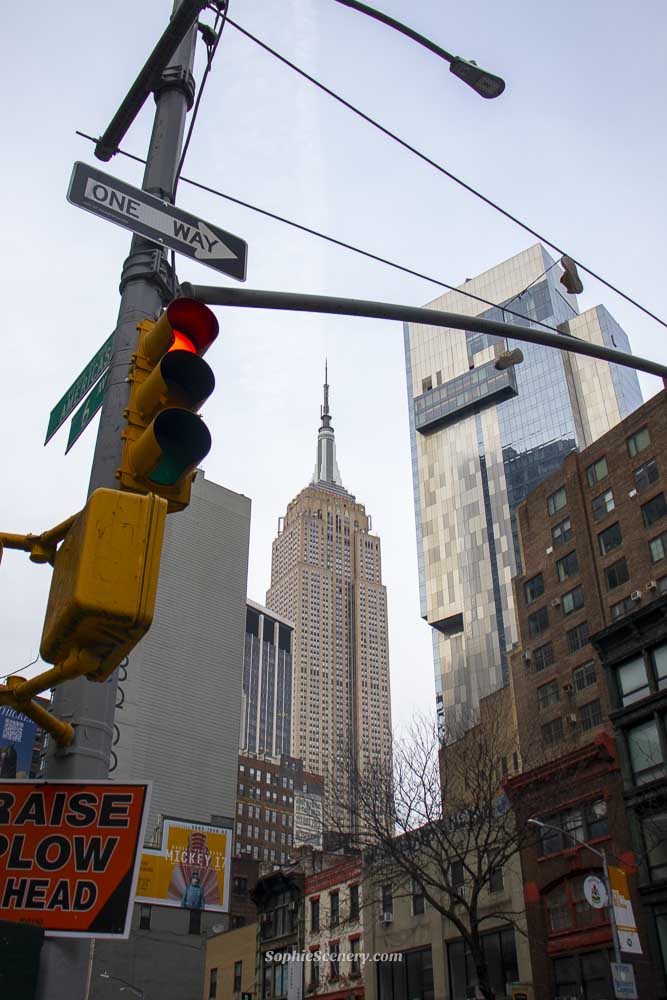
3. Plan Your NYC Itinerary by Neighborhood
One of the biggest mistakes first-time visitors make is trying to see New York City like a ping-pong ball.
On a map, two attractions might look close together. In reality, getting between them can take much longer because of traffic, subway transfers, crowds, and simply walking through busy streets.
Instead of crossing Manhattan several times a day, plan your itinerary around neighborhoods and nearby attractions.
For example, you could spend an entire day in Lower Manhattan. Start with the ferry to the Statue of Liberty and Ellis Island, then visit the 9/11 Memorial and Museum. From there, explore the Financial District and continue toward One World Observatory before ending your day with dinner in Chinatown.
This approach means less time commuting and more time exploring.
For more inspiration, check out our guide [How to Spend a Week in New York City], where we share our real itinerary from last year and show how we organized each day around a different area.
4. Book Popular NYC Attractions in Advance
Some parts of planning a trip to New York City are better done ahead of time.
New York’s most popular attractions can get extremely busy. Some experiences also have limited availability. If there is something you know you definitely want to do, check whether you can reserve it before your trip.
This is especially important for:
-The Statue of Liberty, particularly the pedestal or crown
-Broadway shows
-The Empire State Building
You don’t need to book every hour of your trip. In fact, I recommend leaving some free time in your itinerary. Instead, book the experiences that would genuinely disappoint you if you couldn’t get a spot.


5. Learn How the NYC Subway Works
The New York City subway can look intimidating when you first see the map. But once you understand the basics, it’s one of the easiest ways to get around the city.
A few things to remember:
You can use a contactless card or compatible phone to pay for many subway and bus journeys, so you don’t need to rely on the old MetroCard system.
Uptown generally means north and downtown means south.
Check Google Maps or another navigation app for the best route and current service information.
Pay attention to whether a train is local or express.
Don’t be afraid to ask another passenger or station employee if you’re unsure.
And while yellow taxis are iconic, they aren’t always the fastest option. During rush hour, traffic can bring your journey to a crawl.
Once you get comfortable with the subway, you’ll be able to explore much more of the city without constantly worrying about transportation.
6. Pack for Walking and Changing Weather
When planning a trip to New York City, don’t underestimate how much walking you’ll do.
Even if your itinerary doesn’t look particularly ambitious, you’ll probably walk far more than expected. You might walk to a subway station, explore a neighborhood, cross a bridge, visit an attraction, and then wander around looking for somewhere to eat.
Comfortable shoes are essential.
Your packing list will also depend heavily on the season. Layers are useful because temperatures can change throughout the day, while a portable charger is helpful when you’re using your phone constantly for maps, tickets, photos, and reservations.
Visiting New York in winter? Bring a warm coat, gloves, and a hat. The cold can be intense, especially when you’re walking around the city or waiting outside.


7. Eat Beyond the Tourist Areas
Food is one of the best reasons to visit New York City. But you don’t have to eat at the most touristy restaurants to have a great meal.
Instead, explore neighborhoods known for their food. Chinatown, the East Village, the Lower East Side, and Williamsburg are all worth exploring when you’re hungry.
Food markets are another great option, especially if you’re traveling with a group and everyone wants something different. Chelsea Market is a classic NYC food market choice.
And don’t forget about New York’s casual classics.
Try a bagel for breakfast, grab a slice of pizza, pick up a sandwich, or stop at a street-food cart. Some of the best food experiences in NYC don’t require a reservation or a huge budget.
One of my favorite things about New York is that you can have an expensive dinner one night and then eat a great slice of pizza for just a few dollars the next.
8. Stay Aware and Use Common Sense
New York City is generally a safe destination for visitors, but it’s still a huge city. Basic awareness goes a long way.
Keep these simple tips in mind:
Keep your bag and zippers secure in crowded areas.
Don’t buy attraction tickets from random people on the street.
Use official taxis or reputable rideshare apps.
Keep an eye on your belongings on public transportation.
If something feels wrong, trust your instincts and move somewhere busier or ask for help.
You don’t need to spend your entire trip worrying about safety. Just use the same common sense you would in any large city.

Final Thoughts on Planning a Trip to New York City
Planning a trip to New York City isn’t about creating a perfect schedule and checking every attraction off a list. It’s about making a few smart decisions before you arrive so you can actually enjoy the city once you’re there.
Sort out your entry requirements, choose your accommodation carefully, group attractions by neighborhood, and book the experiences you don’t want to miss. After that, leave yourself some room to wander.
Because that’s when New York becomes really special.
Look up and you’ll see the skyline glowing at night. Music drifts from a subway platform nearby. A tiny café might become your new favorite spot. Later, you could spend an afternoon in Central Park and forget that you’re in one of the busiest cities in the world.
A street performer might stop you in your tracks. You might find a hidden bookstore on a rainy afternoon. Or you might catch a sunset over the Brooklyn Bridge that makes you want to stay a little longer.
New York has a way of surprising you.
Plan the essentials. Leave room for the unexpected. And let New York do the rest.