How to Plan a Trip to New York City (For Real, Not Just the Instagram Version)
New York City, USA | North-America
New York City is one of the most incredible destinations in the world—but it’s also chaotic, crowded, and expensive if you don’t plan well. Many travel guides skim the surface with the same recycled advice. This one focuses on what actually matters when organizing a smooth, stress-free trip.

1. Check Your Entry Requirements
Before you book flights or hotels, make sure you can legally enter the United States. Depending on your country of residence you’ll need a Visa or ESTA.
Visa Waiver Countries:
If your country participates in the Visa Waiver Program, you can apply for an ESTA instead of a visa.
– Apply online before flying
– Usually approved fast, but don’t leave it to the last minute
– Valid for two years (or until your passport expires)
If you need a visa:
Some nationalities require a tourist visa (B-2 visa). This process can take weeks to months, depending on your local U.S. embassy.
Don’t book non-refundable flights until your visa is approved.
Passport validity:
Your passport must be valid for the duration of your stay, and some airlines require 6 months of validity, so double-check early.
2. Book Flights and Accommodation Early
Once the paperwork is under control, you can move on to the fun part: booking the trip. New York is busy all year, but prices climb the highest during summer, Christmas, and New Year. If you want better deals, January through March is often the cheapest period to visit.
When choosing where to stay, being close to a subway station is more important than almost anything else. Midtown is central and convenient for first-time visitors, Lower Manhattan is perfect for exploring Brooklyn and major landmarks, and Brooklyn itself offers more space, trendy neighborhoods, and often lower prices.

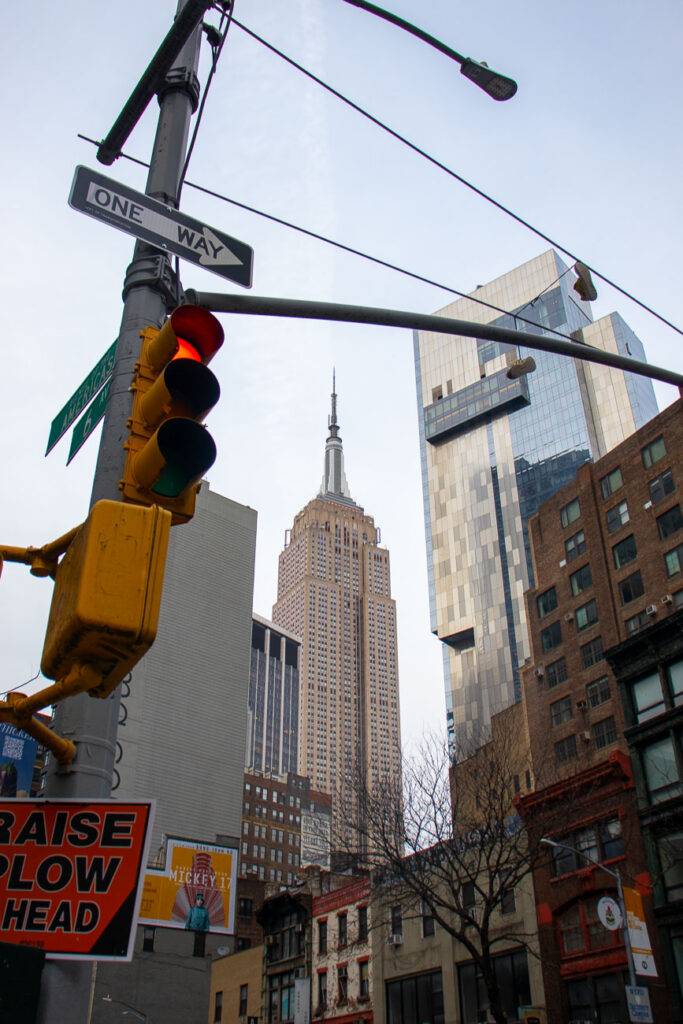
3. Don’t Try to See New York Like a Ping-Pong Ball
There’s one major mistake almost every first-time traveler makes: trying to see New York as if everything is close together. It’s not. Landmarks that appear nearby on a map can take 45 minutes to reach in real time. If you’re constantly bouncing from one end of Manhattan to the other, you’ll spend more of your trip underground on the subway than actually exploring the city.
The key is to plan each day around one area. For example, you can easily spend a full day in Lower Manhattan—starting with the ferry to the Statue of Liberty and Ellis Island, then visiting the 9/11 Memorial & Museum, walking over to One World Observatory, and ending the day in Tribeca or Chinatown for dinner. These sights are all within close distance of one another, which means less commuting and more time enjoying the experience.
For inspiration on how to build a trip around neighborhoods, check out our blog “How to Spend a Week in New York City,” where we share our real itinerary from last year, with each dat in a different area.
More area-based day ideas:
– Midtown Day: Times Square, Rockefeller Center, Broadway, MoMA
– Central Park + Museums Day: Central Park, MET, Natural History Museum
– Brooklyn Day: Brooklyn Bridge, DUMBO, Williamsburg
4. Book Certain Things in Advance
Booking ahead also makes a huge difference. Popular attractions don’t just draw crowds—they sell out. If you want to visit the Statue of Liberty (especially the pedestal or crown), see a Broadway show, or get to the top of the Empire State Building or Rockefeller Center, reserve ahead of time. Even restaurant reservations are worth making in advance if there’s a specific place you don’t want to miss.


5. Learn the Subway
The subway looks confusing at first, but it’s the fastest way to get around.
– You can tap your phone or contactless card—no MetroCard needed
– Uptown = north, Downtown = south
– Google Maps works well for directions
– Avoid taxis during rush hour—they barely move
6. Pack for Walking, Weather, and Reality
Packing also requires a bit of strategy. New York is a walking city, and even days you think will be “light” tend to end with thousands of steps. Comfortable shoes are non-negotiable. Weather can change quickly, so layers are helpful, and a portable charger will keep your phone alive while you navigate. If you’re visiting in winter, prepare for real cold—hats, gloves, and a warm coat will make the difference between enjoying the city and suffering through it


7. Eat Like a Local
Food is one of the best parts of visiting New York, but tourist areas are filled with expensive, average options. You’ll eat much better by exploring neighborhoods like Chinatown, the East Village, the Lower East Side, or Williamsburg in Brooklyn.
Food markets—including Chelsea Market and Smorgasburg—offer great choices if everyone wants something different. And don’t skip street food; bagels, sandwiches, pizza-by-the-slice, and hotdog carts are part of the city’s culture.
8. Safety and Common Sense
NYC is generally safe, but stay aware:
– Keep zippers closed in crowded places
– Don’t buy “tickets” from random people on the street
– Use official cabs or rideshare apps
– Trust your instincts, especially late at night

Final Thoughts
In the end, planning a trip to New York isn’t just about checking boxes and organizing schedules. It’s about giving yourself the freedom to actually enjoy the city once you’re there. When the practical pieces are in place, New York becomes something magical. You look up and see the skyline glowing at night. You hear music drifting from a subway platform. You stumble into a tiny café that becomes your new favorite spot. You spend an afternoon in Central Park and forget you’re in one of the busiest places on Earth.
Get the basics sorted, plan smartly, and then leave some room for spontaneity. The best moments in New York are often the ones you don’t plan: a street performer who stops you in your tracks, a hidden bookstore on a rainy afternoon, a sunset over the Brooklyn Bridge that makes you want to stay forever.
New York has a way of surprising you. Let it.